
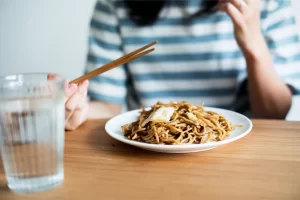
Texture vs. Taste: How Food Consistency Triggers Acid Reflux
Understand endoscopic surgery: what it entails, the procedure, benefits, and...

As a doctor, I have seen first-hand the discomfort and inconvenience that acid reflux can bring to individuals. Often known as heartburn or indigestion, acid reflux occurs when stomach acid flows back up into the oesophagus. This can happen due to a weakened valve between the stomach and oesophagus, causing a burning sensation in the chest and throat. Symptoms of acid reflux may also include regurgitation, difficulty swallowing, and coughing.
Managing diet is crucial for individuals with acid reflux as certain foods can trigger or worsen symptoms.
In Singapore, where hawker centres are abundant and local delicacies are highly sought after. It is important to be aware of which foods to avoid in order to better manage acid reflux.
In this article, I will be discussing common trigger foods for acid reflux also know as GERD and highlighting local dishes that should be avoided. I will also provide suggestions for alternative options and stress the importance of consulting a doctor for personalised advice.

If you’re experiencing acid reflux or heartburn, the foods you eat play a significant role in triggering or intensifying your symptoms. Certain foods can relax the lower esophageal sphincter (LES)- the muscle that keeps stomach acid where it belongs-or increase acid production, leading to that uncomfortable burning sensation.
To help you manage your symptoms and minimize discomfort, here’s a comprehensive guide to common acid reflux foods to avoid. By making informed dietary choices, you can significantly reduce the frequency and severity of your acid reflux and heartburn episodes.
While spicy food does not directly cause reflux for everyone, capsaicin (the compound in chili peppers) can irritate the lining of the esophagus and stomach, resulting in acid reflux symptoms.
Examples of Spicy Food to Avoid:
– Chili peppers and hot sauces
– Curries with high spice levels
– Dishes heavily seasoned with black pepper or other strong spices
Oranges, grapefruits, lemons, and other acidic fruits are known to aggravate acid reflux. Their high acidity directly contributes to heartburn and discomfort.
Tomatoes, along with ketchup, pasta sauces, and salsas, are acidic by nature and can easily provoke reflux symptoms.
Despite its popularity, chocolate contains caffeine and other compounds that relax the LES, allowing acid to travel back into the esophagus.
Coffee, tea, and energy drinks are acid reflux foods to avoid because caffeine can increase stomach acid and weaken the LES.
Sugary sodas and sparkling waters can increase pressure in the stomach, pushing acid upwards into the oesophagus.
Fatty foods, including fried dishes, greasy meats, and full-fat dairy products take longer to digest. This prolonged stomach emptying puts pressure on the LES, making it more likely to relax and allow acid to escape.
Examples of Fatty/Fried Food to Avoid:
– Deep-fried food (eg fried chicken, french fries, spring rolls)
– Fatty cuts of meat (eg bacon)
– Full-fat dairy (eg whole milk, regular cheese & sour cream, ice-cream)
– Rich, creamy sauces and gravies
– Fast food and processed snacks
Beer, wine, and spirits can all relax the LES, leading to reflux symptoms. Alcohol also increases acid production in the stomach.
In Singapore, where food culture is deeply rooted, it can be challenging to avoid local delicacies that are known to trigger acid reflux symptoms. However, being aware of these dishes and their alternatives can make a huge difference in managing acid reflux.
Some local foods to avoid for acid reflux include:
Hawker centres are a go-to spot for many Singaporeans, and dishes like laksa and char kway teow can be tempting. However, these dishes typically contain spicy ingredients that can cause discomfort for individuals with acid reflux. Traditional snacks like curry puffs and samosas are also fried foods that should be avoided.
When it comes to drinks, Singaporeans love their teh tarik and bubble tea. However, both of these drinks are made with milk and sugar which can trigger acid reflux symptoms. It is important to note that even healthy options like fruit juices can be high in acidity and should be avoided.
While dietary modifications can manage acid reflux, it is crucial to remember that this article provides general guidance.
Cutting back on these acid reflux foods to avoid can significantly help reduce the frequency and intensity of your symptoms. Instead, focus on a diet rich in non-acidic, low-fat, and easily digestible foods to keep your digestive system happy.
If you experience persistent or severe symptoms, or if your acid reflux worsens despite dietary changes, it is important to consult a doctor.
While it may seem challenging to avoid these popular local dishes, there are alternative options that individuals with acid reflux can opt for. Here are some suggestions:
These alternative choices may not offer the same spice or flavour as the originals. But they can still give a satisfying meal without discomfort. For example, choosing grilled or steamed versions of dishes like chicken rice. It can lower the oil and spice content, aiding digestion for those with acid reflux.

While avoiding trigger foods can help manage acid reflux symptoms, it is important to consult with a doctor for personalised advice. Some individuals may have more specific trigger foods. It is also possible that medication may be necessary in addition to dietary changes to better manage acid reflux.
Additionally, certain underlying health conditions may also contribute to acid reflux, such as hiatal hernia or gastroparesis. It is important for individuals experiencing acid reflux to consult with a doctor to rule out any other potential causes and receive proper acid reflux treatment.
In conclusion, managing acid reflux through diet is crucial for overall health and well-being. You can still enjoy the vibrant food culture of our country by being aware of common trigger foods and making healthier choices. By choosing alternative options and consulting with a doctor for personalised advice, individuals can better manage their acid reflux symptoms and improve their quality of life.
Understand endoscopic surgery: what it entails, the procedure, benefits, and...

Understand endoscopic surgery: what it entails, the procedure, benefits, and...

Understand endoscopic surgery: what it entails, the procedure, benefits, and...
Here at KYM Surgery, we believe in providing holistic & comprehensive medical care for all patients.
Here at KYM Surgery, we believe in providing holistic & comprehensive medical care for all patients.